
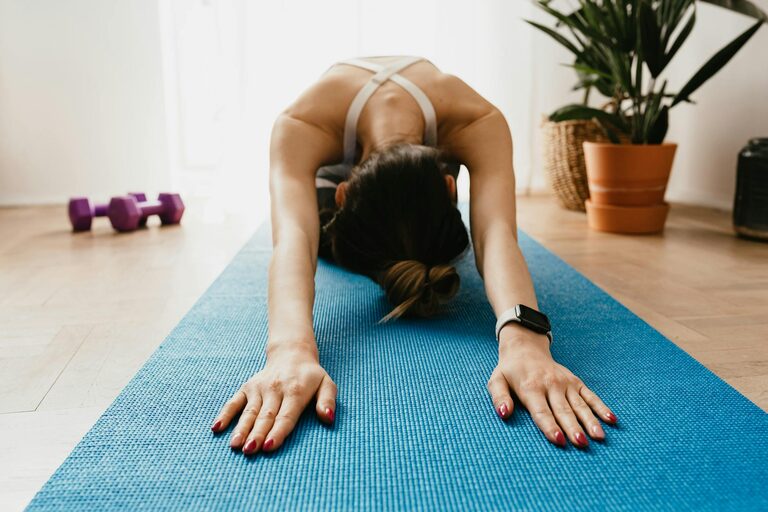
Stretching is a gentle and effective way to enhance your overall health, improve flexibility, and relieve muscle tension. Whether you’re new to fitness or simply want to add a relaxing routine to your day, stretching at home can be a convenient and rewarding practice. This beginner’s guide will walk you through the basics of stretching, how to stretch safely, and a simple routine you can try today.
Why Stretching Matters
Stretching helps to lengthen muscles and improve their elasticity. Regular stretching can:
– Increase your range of motion
– Reduce muscle stiffness and soreness
– Improve circulation and posture
– Lower the risk of injuries
– Enhance relaxation and stress relief
Starting a stretching routine at home requires nothing more than comfortable clothes, a little space, and a few minutes of your day.
When and How Often Should You Stretch?
For most people, stretching 3-5 times a week is ideal. You can stretch:
– After waking up: To gently wake up your muscles and joints.
– Before and after exercise: Helps prepare your body and aid recovery.
– During breaks from sitting: Counters the effects of prolonged sitting or desk work.
– Before bed: Helps relax your body for better sleep.
Aim to hold each stretch for 15-30 seconds, repeat 2-3 times if possible, and always listen to your body—never push to the point of pain.
Tips for Safe and Effective Stretching
– Warm up first: Stretching cold muscles can cause injury. Try a light 5-minute walk or march in place before you stretch.
– Breathe deeply: Inhale and exhale slowly to help your muscles relax.
– Move gently into each stretch: Avoid bouncing or sudden movements.
– Focus on major muscle groups: Include your neck, shoulders, arms, back, hips, and legs.
– Use props if needed: A towel, strap, or yoga block can help access stretches more comfortably.
Basic Stretching Routine for Beginners
This simple routine covers key areas of the body and takes about 10-15 minutes to complete.
1. Neck Stretch
– Sit or stand tall with shoulders relaxed.
– Slowly tilt your head toward your right shoulder until you feel a gentle stretch on the left side.
– Hold for 20 seconds, then switch sides.
2. Shoulder Rolls
– Stand or sit with your back straight.
– Roll your shoulders forward slowly 10 times.
– Then roll them backward 10 times.
3. Cross-Body Shoulder Stretch
– Bring your right arm across your chest.
– Use your left hand to gently press your arm closer to your chest.
– Hold for 20-30 seconds, then switch arms.
4. Cat-Cow Stretch (Spine Mobility)
– Get on your hands and knees on the floor.
– Inhale as you arch your back (cow pose) lifting your head and tailbone.
– Exhale as you round your back (cat pose) tucking your chin and tailbone.
– Repeat for 8-10 cycles.
5. Seated Forward Fold
– Sit on the floor with your legs extended straight.
– Slowly reach for your toes, keeping your spine long.
– Don’t force yourself; reach as far as comfortable.
– Hold for 20-30 seconds.
6. Hip Flexor Stretch
– Kneel on your right knee with your left foot in front, knee bent.
– Shift your weight forward gently until you feel a stretch through your right hip flexor.
– Hold for 20 seconds, then switch sides.
7. Quadriceps Stretch
– Stand near a wall or chair for balance if needed.
– Bend your right knee and hold your ankle with your right hand.
– Pull your heel towards your buttocks.
– Keep your knees close together.
– Hold for 20 seconds, then switch legs.
8. Calf Stretch
– Stand facing a wall with your hands resting on it.
– Step your right leg back, keeping it straight, and press your heel into the floor.
– Bend your left knee slightly.
– Hold for 20-30 seconds, then switch legs.
Additional Tips to Enhance Your Stretching Practice
– Make it a habit: Try to stretch at the same time every day to build consistency.
– Combine with mindfulness: Focus on how your body feels and practice deep breathing for a calming effect.
– Use online resources: Many free videos and apps offer guided stretching sessions.
– Progress gradually: As your flexibility improves, you can gently increase your stretch duration or try more advanced poses.
When to Consult a Professional
If you have any injuries, chronic pain, or medical conditions, it’s a good idea to check with a healthcare professional or a certified trainer before starting a new stretching routine. They can provide personalized advice based on your needs.
Final Thoughts
Stretching at home is a simple, cost-free way to improve your physical and mental well-being. Starting with gentle stretches and listening to your body will help you build a safe and enjoyable routine. With consistency, you’ll notice improved flexibility, less tension, and a greater sense of relaxation—all from the comfort of your own home.
Happy stretching!