
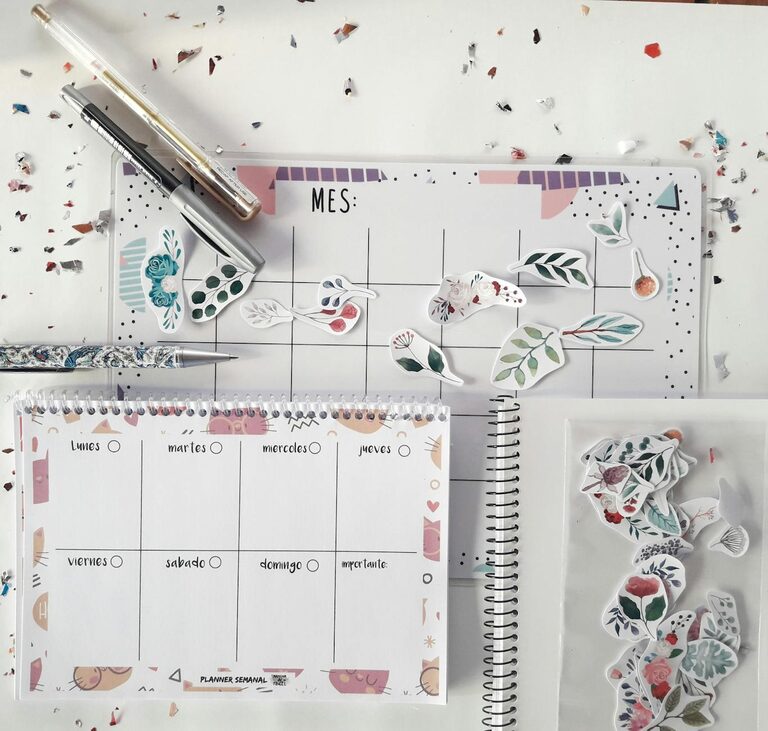
Bullet journaling is a flexible and creative way to organize your life, track your goals, and capture your thoughts. Whether you’re looking to boost productivity, stay organized, or simply enjoy a mindful hobby, bullet journaling can be tailored to fit your unique needs. This beginner guide will walk you through the essentials, making it easy to get started with your own bullet journal.
What Is Bullet Journaling?
Bullet journaling, often called “BuJo,” is a method of personal organization developed by Ryder Carroll. It combines elements of a planner, diary, to-do list, and sketchbook into one customizable notebook. The core idea is to use short, bulleted lists to record tasks, events, and notes — making it quick and efficient.
Unlike traditional planners with fixed layouts, bullet journals give you the freedom to design pages that suit your lifestyle and preferences.
Why Start a Bullet Journal?
You might wonder why you should start bullet journaling when digital apps exist. Here are some benefits:
– Flexibility: Design pages according to your goals and style.
– Creativity: Use colors, doodles, stickers, and hand lettering.
– Mindfulness: The act of writing encourages focus and reflection.
– Customization: Track anything from habits to budgets or meal plans.
– All-in-One: Combines calendar, task list, and diary in one place.
What You’ll Need to Get Started
Starting a bullet journal doesn’t require much. Here’s a simple supplies list:
– Notebook: Choose any notebook or journal. Popular choices include dotted or grid notebooks like Leuchtturm1917, but plain lined or blank notebooks work too.
– Pen: A good pen that you enjoy writing with. Many prefer fine liners or gel pens.
– Ruler: Helpful for drawing straight lines and creating layouts.
– Optional items: Colored pens, markers, stickers, washi tape for decoration.
Bullet Journal Basics: Key Components
Understanding the basic components will help you use your bullet journal effectively.
1. Index
The index is like a table of contents. Leave a few pages at the beginning to list topics and their page numbers so you can easily find entries later.
2. Future Log
The future log is a yearly or monthly overview where you jot down important dates and events happening in the coming months.
3. Monthly Log
At the start of each month, create a calendar or list of dates to visualize tasks, appointments, and goals for that month.
4. Daily Log
The daily log is where you record tasks, events, and notes for each day. Use short bullets to quickly capture information.
5. Collections
Collections are special lists or pages focused on a particular topic, such as books to read, habit trackers, meal plans, or project ideas.
How to Use Symbols for Easy Organization
Bullet journaling uses simple symbols to help you quickly identify entries.
– Tasks: Represented by a dot (•)
– Events: Indicated by a circle (o)
– Notes: Shown as a dash (–)
– Completed tasks: Marked with an X over the dot (×)
– Migrated tasks: Arrow pointing right (→) to move a task to another day
– Scheduled tasks: Arrow pointing left (←)
Feel free to personalize or simplify these symbols to your liking.
Step-by-Step Guide to Setting Up Your First Bullet Journal
Step 1: Number Your Pages
Numbering pages helps you keep track and link entries in your index easily.
Step 2: Create an Index
Reserve the first 2-4 pages for your index.
Step 3: Add a Future Log
Divide a spread into sections for upcoming months and jot down important dates.
Step 4: Set Up Your Monthly Log
Create a calendar or list-style overview for the current month.
Step 5: Design Your Daily Logs
Write the date at the top and start listing tasks, events, and notes.
Step 6: Start Using Collections
Add pages for hobbies, goals, or anything else you want to track.
Tips for Staying Consistent and Motivated
– Start simple: Don’t worry about making every page perfect.
– Use templates: Find printable templates online to save time.
– Set a routine: Spend 5-10 minutes daily or weekly updating your journal.
– Customize as you go: Adjust layouts and collections to fit your needs.
– Celebrate progress: Review completed tasks and goals regularly.
Common Bullet Journal Ideas for Beginners
– Habit tracker
– Mood tracker
– Expense log
– Meal planner
– Gratitude log
– Project timelines
– Reading list
Troubleshooting: Avoiding Common Pitfalls
– Overcomplicating: Stick to what works instead of adding too many elements.
– Skipping updates: Schedule regular times to review and add entries.
– Being too rigid: Keep your journal flexible—feel free to experiment.
Final Thoughts
Bullet journaling is a personal journey that can help you bring more clarity, focus, and creativity to your daily life. By starting with the basics and adapting the system to your preferences, you’ll build a habit that supports your goals and brings satisfaction.
Remember, your bullet journal is yours to shape. Enjoy the process and watch your productivity and mindfulness grow!
—
Ready to give bullet journaling a try? Grab a notebook, a pen, and start organizing your life today!