
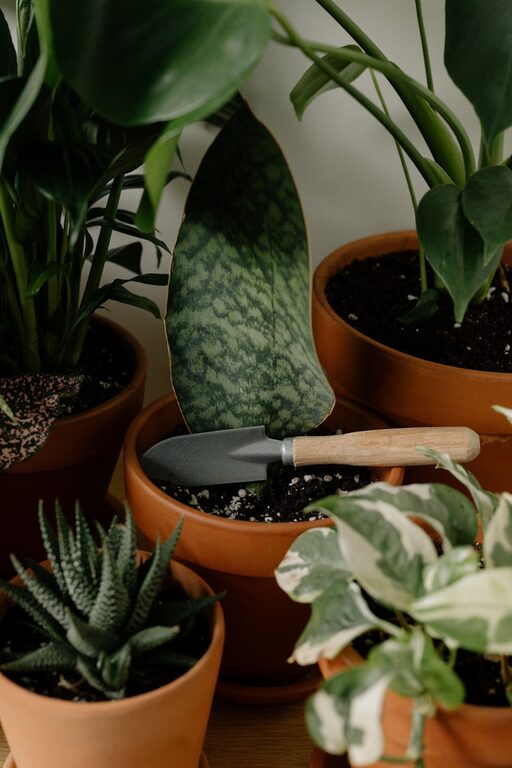
Bringing houseplants into your home is a wonderful way to add beauty, improve air quality, and create a calming atmosphere. However, keeping plants healthy can sometimes feel challenging, especially if you’re new to indoor gardening. With the right care, your houseplants can thrive and become a lasting part of your home. Here are some essential tips to help you maintain vibrant, healthy houseplants.
Understanding Your Plant’s Needs
Every plant species has its own requirements. Before you bring a new plant home, take some time to research its specific care instructions. Knowing its preferred light levels, watering frequency, and temperature range will set you up for success.
Light Requirements
Light is one of the most critical factors for healthy houseplants. Some plants prefer bright, indirect light, while others thrive in low light conditions.
– Bright Light Lovers: Examples include succulents, fiddle leaf figs, and snake plants. These plants should be placed near windows with a lot of sunlight but avoid direct harsh rays that can scorch leaves.
– Low Light Thrivers: Such as pothos, peace lilies, and ZZ plants. These are great options for rooms with minimal sunlight.
Tip: Rotate your plants regularly so all sides receive light and grow evenly.
Watering Wisely
Overwatering is a common mistake that can lead to root rot. Conversely, underwatering can cause your plant to wilt and dry out.
– Check the soil moisture before watering. Most houseplants prefer the top inch or so of soil to dry out between waterings.
– Use pots with drainage holes to prevent water from pooling at the bottom.
– Adjust watering frequency seasonally; many plants need less water during cooler months.
– Consider the plant’s environment. Plants in humid rooms generally need less frequent watering than those in dry areas.
Suitable Temperature and Humidity
Most tropical houseplants thrive at room temperatures between 65°F and 75°F (18°C to 24°C). Avoid placing your plants near drafts, heaters, or air conditioners that can cause temperature fluctuations.
Humid environments benefit plants like ferns or calatheas, which prefer higher humidity. If your indoor air is dry, especially in winter:
– Mist your plants occasionally.
– Use a humidity tray filled with water and pebbles.
– Group plants together to create a mini-greenhouse effect.
Choosing the Right Soil and Fertilizer
Healthy soil provides essential nutrients and drains well to prevent waterlogging.
– Use a potting mix designed for indoor plants rather than garden soil. Some plants may require specialized mixes (e.g., cacti or orchids).
– Repot your plants every 1–2 years to refresh the soil and give roots room to grow.
– Fertilize during the growing season (spring and summer), following the package directions of a balanced indoor plant fertilizer. Reducing feeding in fall and winter allows your plant to rest.
Signs of Healthy vs. Unhealthy Plants
Observing your plants regularly means you can catch issues early.
Signs of a Healthy Plant
– Deep green, vibrant leaves
– New growth emerging
– Firm stems and leaves
Signs of Trouble
– Yellowing or browning leaves
– Drooping or wilting
– Spots or holes on leaves
– Stunted growth
If you notice signs of distress, review your plant’s water, light, and soil conditions and adjust care as needed.
Common Houseplant Problems and How to Fix Them
Overwatering and Root Rot
– Symptoms: Yellowing leaves, soft stems, and a foul smell from soil.
– Solution: Remove the plant from the pot, trim rotten roots, and repot with fresh soil. Water less frequently afterward.
Pests
Indoor plants can attract pests like spider mites, aphids, or mealybugs.
– Inspect plants regularly for tiny webs, sticky residue, or white cottony spots.
– Treat infestations with natural options, such as neem oil or insecticidal soap.
– Quarantine new plants before adding them near others.
Leaf Issues
– Brown leaf tips often indicate dry air or inconsistent watering.
– Pale leaves may mean insufficient light.
– Drooping can be a result of underwatering or overwatering.
Careful attention can help address many leaf problems.
Tips for Long-Term Success
– Be patient: Plants take time to adjust to new environments.
– Keep a care schedule: Note when you water and fertilize.
– Create a dedicated watering spot: This helps avoid spills and keeps your routine organized.
– Don’t rush repotting: Only repot when necessary, such as when roots outgrow the pot.
– Enjoy the process: Caring for plants can be relaxing and rewarding.
Conclusion
Healthy houseplants aren’t just a source of joy and beauty—they’re a sign of a well-cared-for environment. Understanding the basic needs of your plants and providing consistent care will keep them thriving and enhance your living space. Whether you’re a beginner or a seasoned plant lover, these tips will help your green friends flourish.
Happy planting!